How a Corrugated Board Line Fits Together
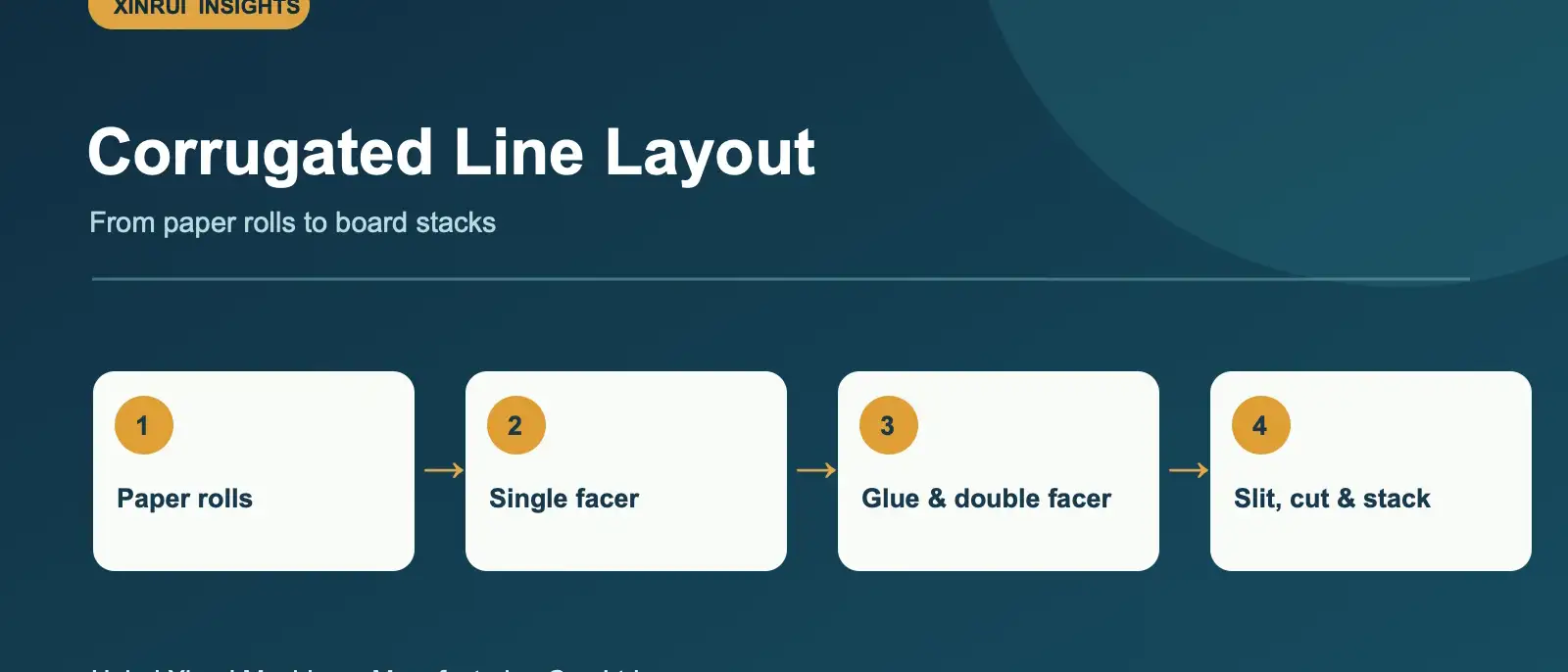
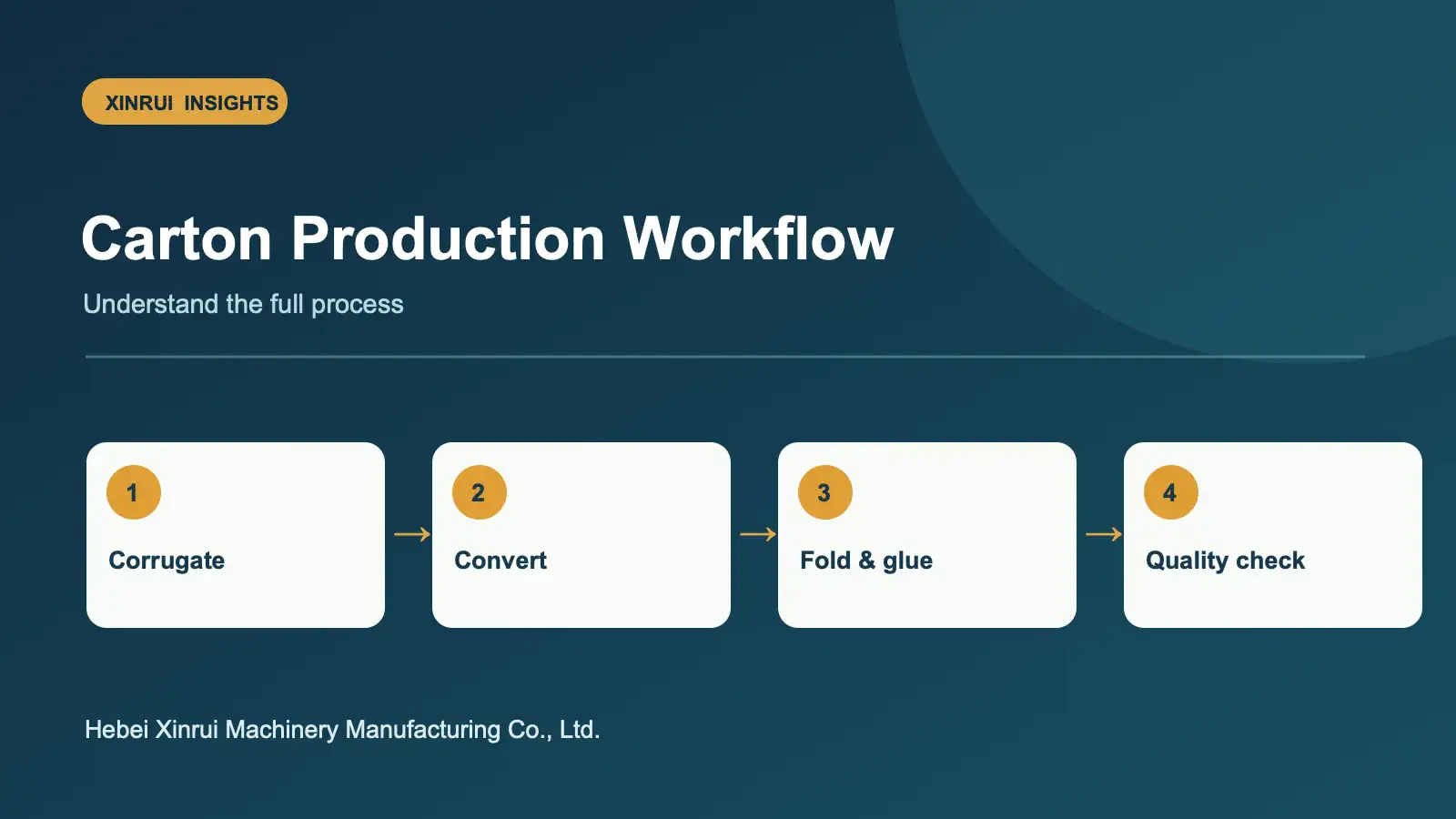
A corrugated board line connects several machines into one continuous process. Understanding the handoff between stages helps a buyer discuss layout, board structure and operating requirements with a supplier. The sequence below is a planning guide; the final configuration depends on the required board and plant layout.
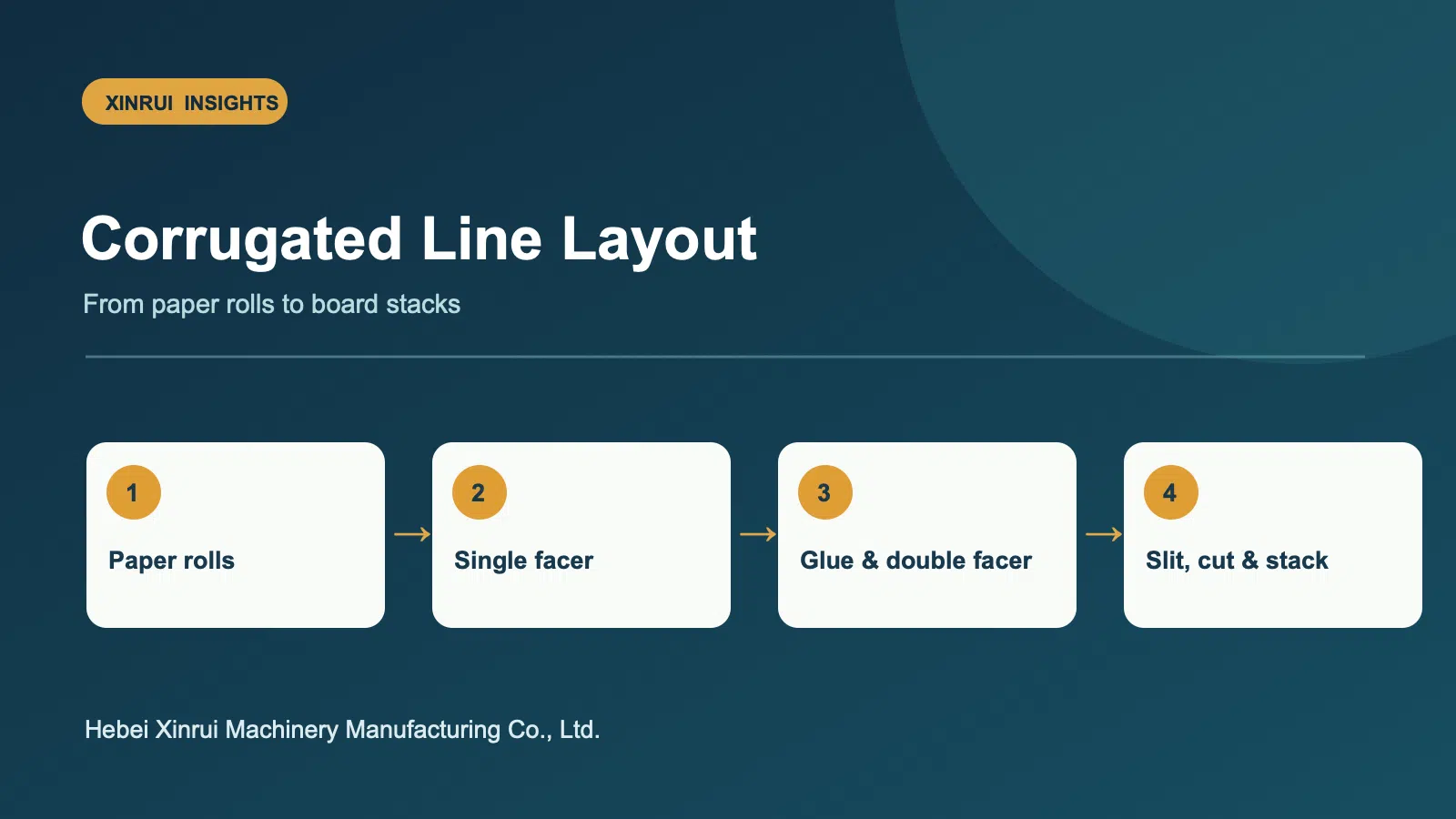
1. Form the flutes
Paper is unwound and conditioned before it reaches the single facer. The fluting medium is shaped between corrugating rolls and bonded to a liner. This produces single-face board. Paper grades, moisture, flute profile and adhesive settings all influence the resulting sheet, so share the board grades you intend to run during the enquiry.
2. Bring the webs together
A bridge provides travel and buffering between sections. Preheating and glue application prepare the layers for bonding at the double facer. For a 3-ply or 5-ply line, the number of required single-face webs and the glue configuration need to match the board recipe. Ask for a process drawing that shows the actual layers and web paths.
3. Size and stack the board
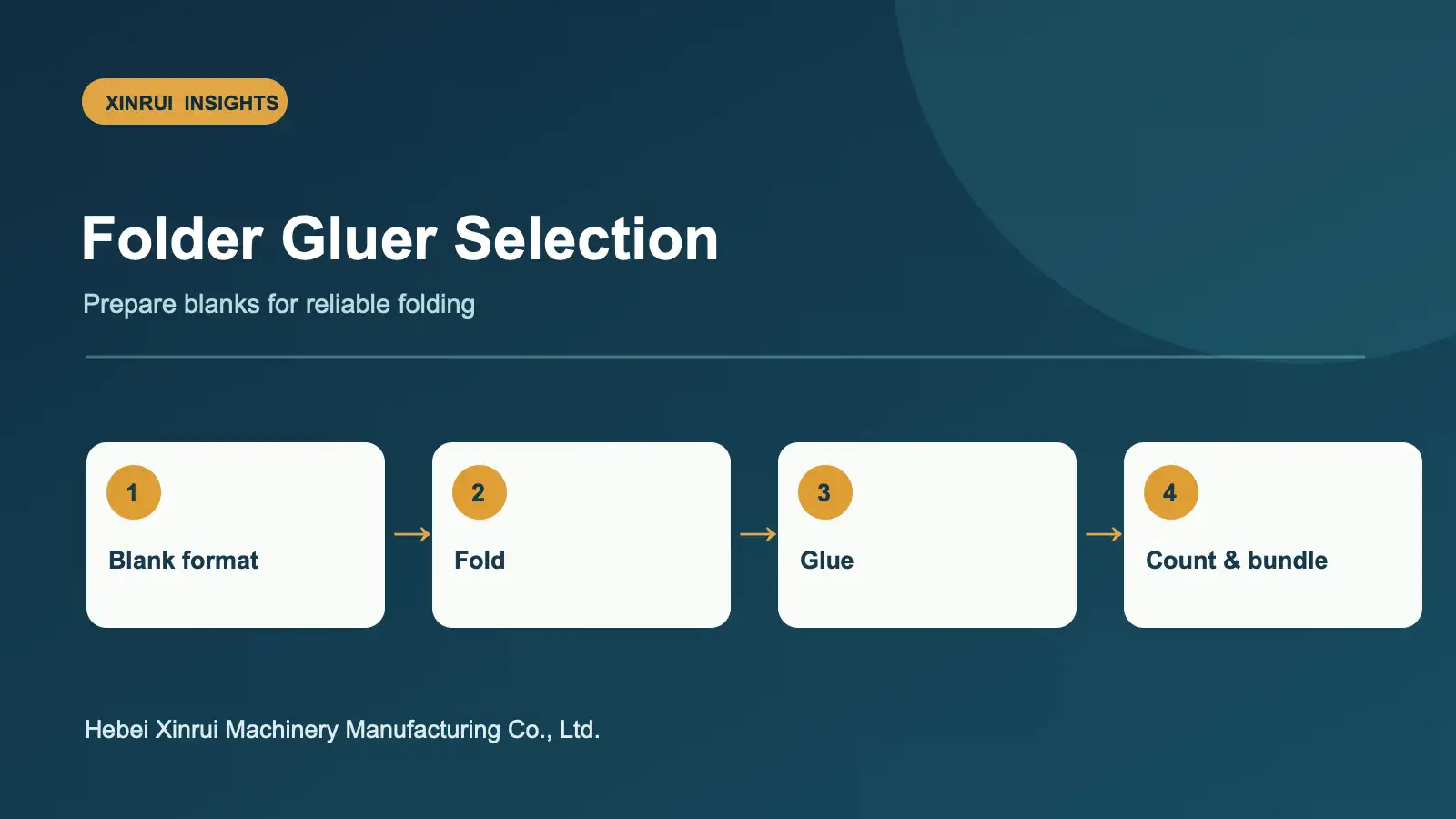
The dry-end section sets widths, score positions and sheet lengths. Slitter scorers, cut-off equipment and stackers must be configured around order sizes and changeover frequency. A line with a high stated design speed can still be constrained by a difficult board grade, a short order or a slow downstream stage.
A useful enquiry
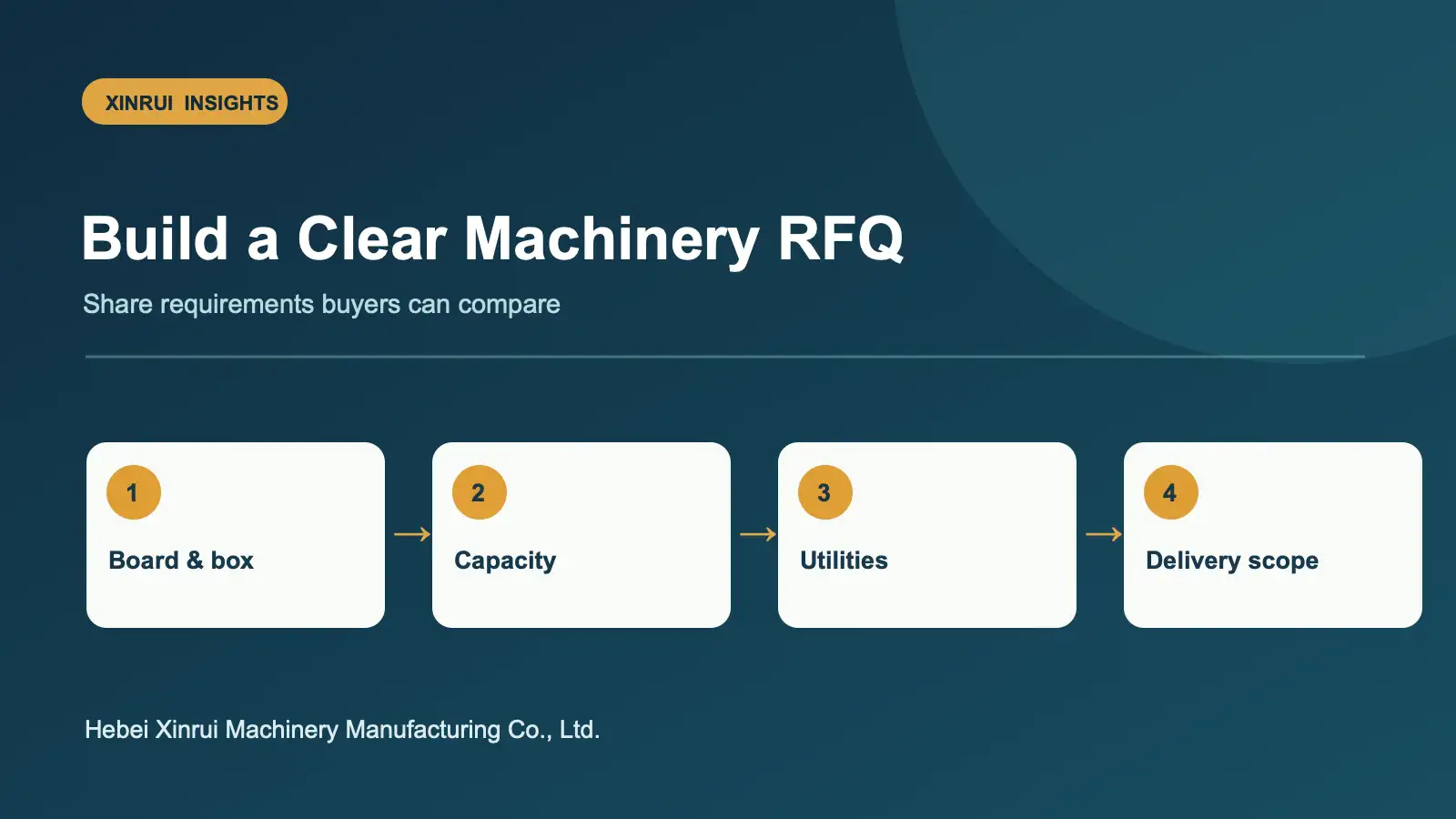
Start with your target 3-ply and 5-ply constructions, working widths, flute combinations, paper grades, sheet lengths and daily order mix. Include the available floor space, power and steam information. Our XR-CBL-1800 corrugated board line is listed with 1800 mm working width and 150 m/min design speed; request a configuration review to see how those figures apply to your board mix. For a key upstream section, see the XR-SF-1800 single facer.
Next step: Send the board recipes and a simple plant layout to [email protected] or WhatsApp us.
Category: Corrugated Board Production
Topics: Corrugated Line · Box Production · Equipment Selection