From Paper Roll to Finished Carton: A Process Map
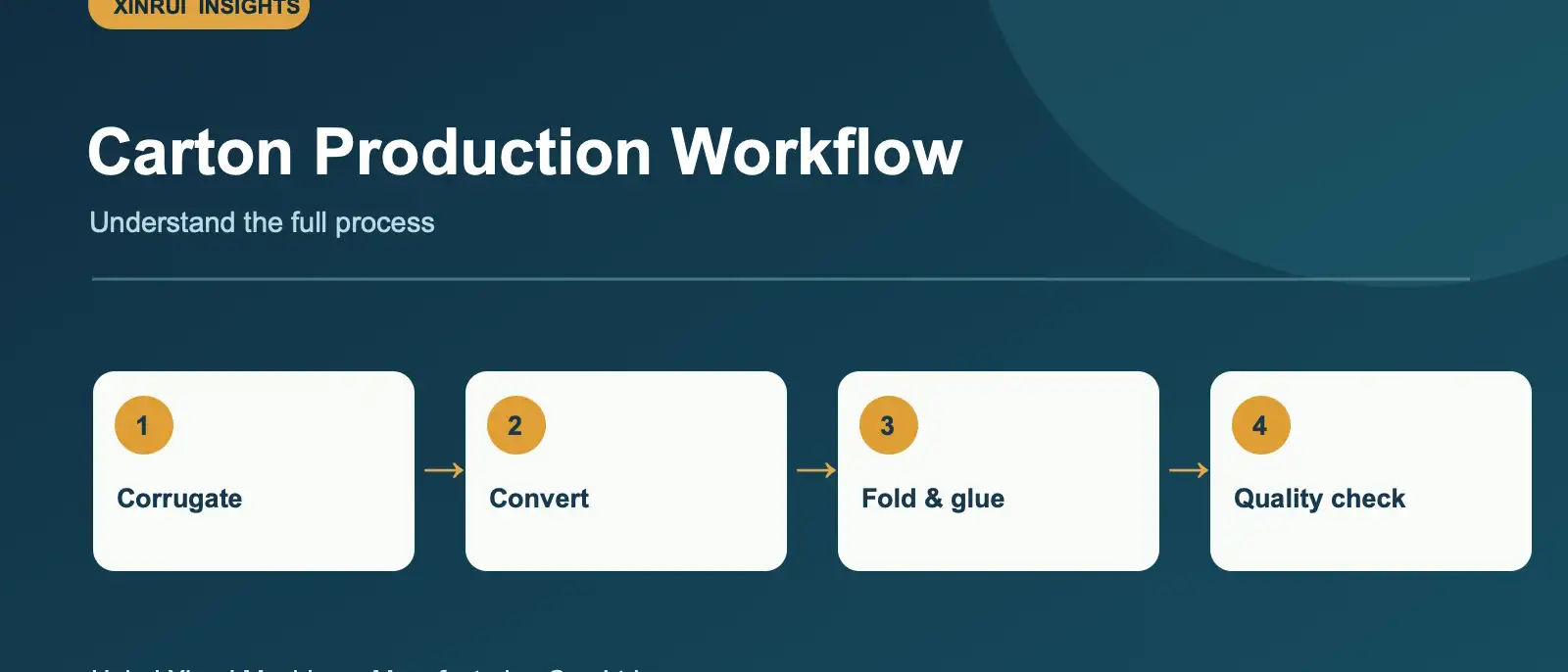
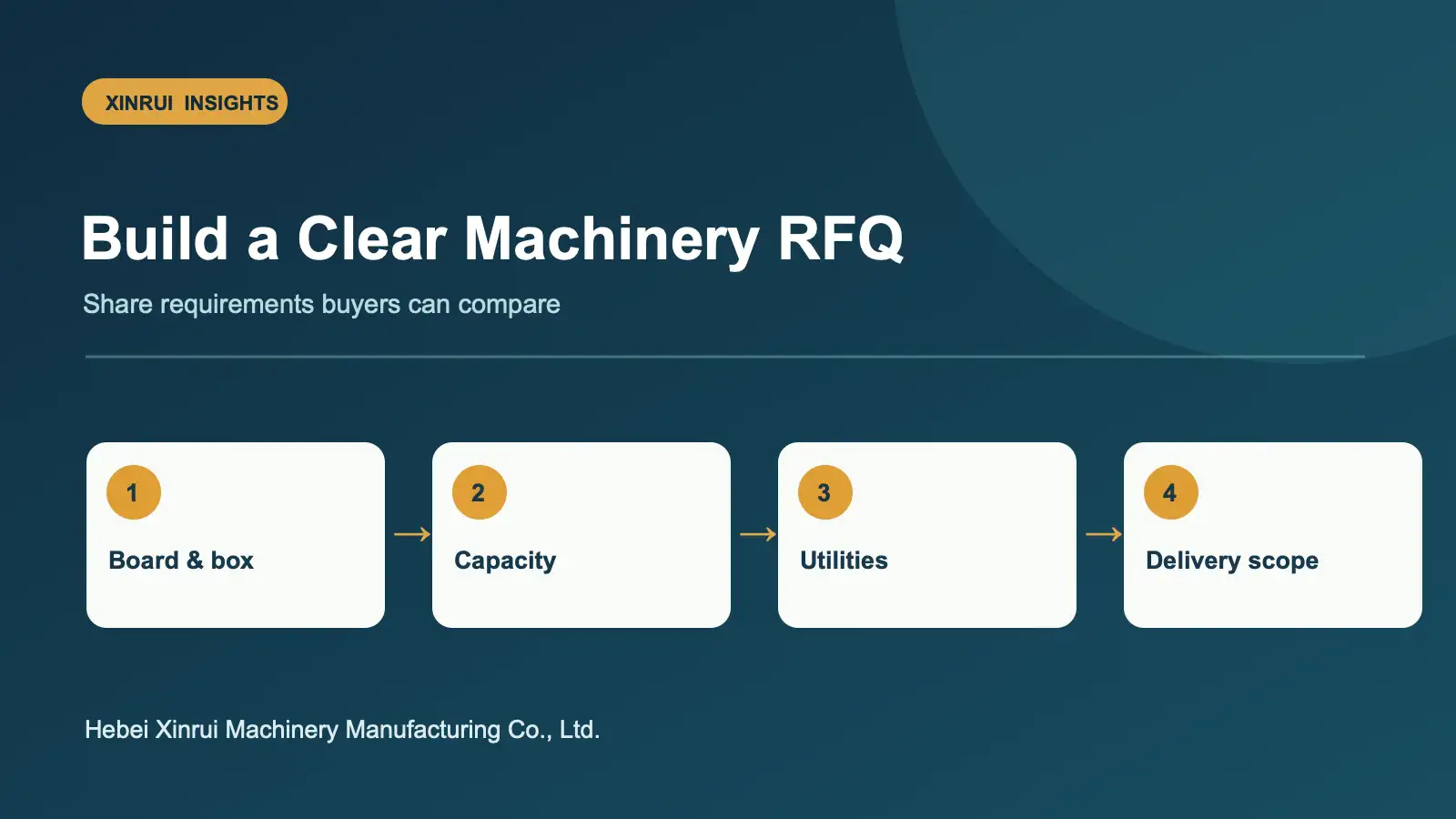
A carton plant connects board making, printing, cutting and finishing. A process map makes it easier to identify where a new machine fits and where quality should be checked. The stages below are typical; individual plants may combine or separate operations.
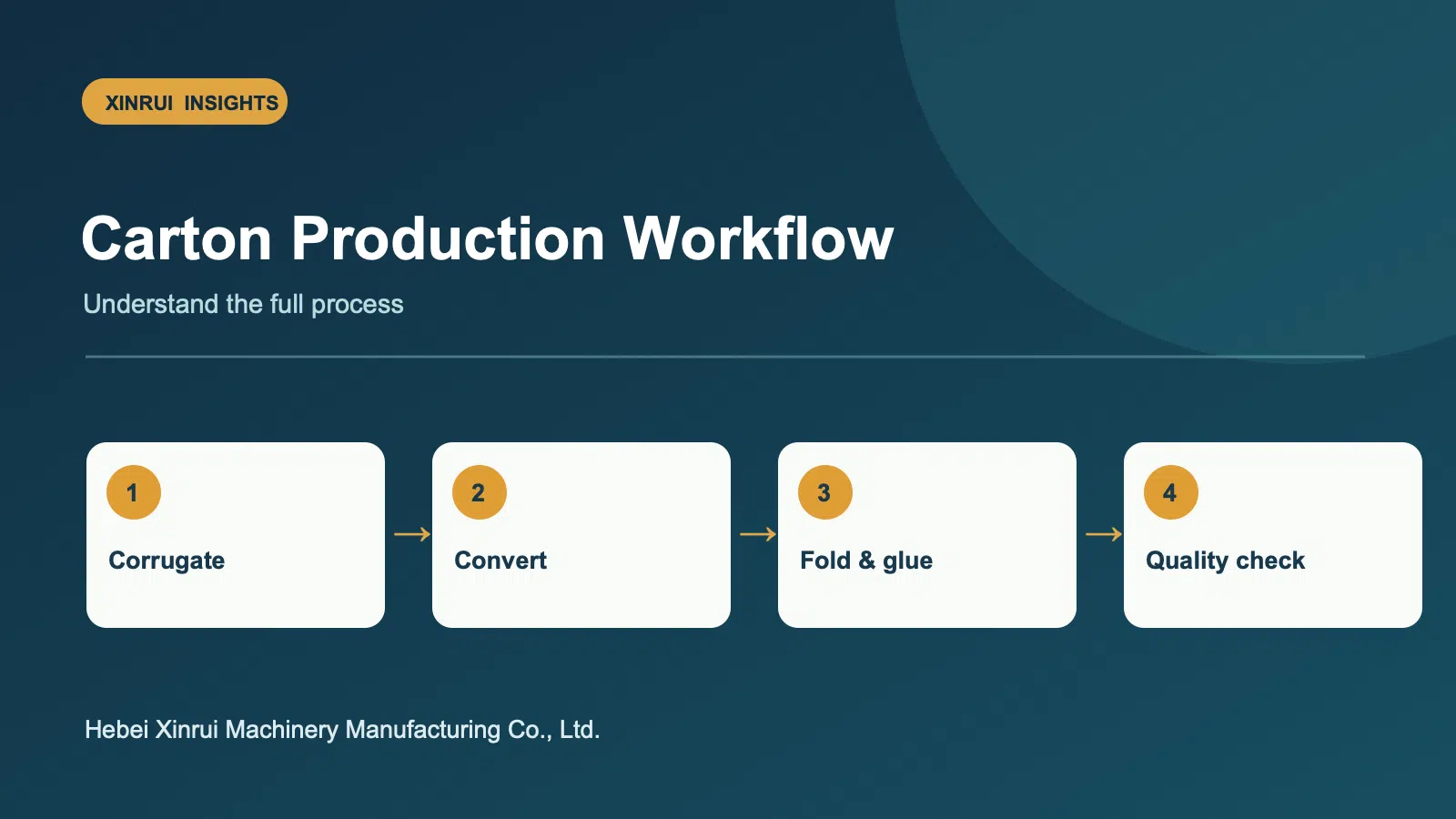
Make the board
Paper rolls feed the corrugated board line. The single facer forms flutes and bonds a liner; glue and double-facer sections join the board layers. Slitting, scoring, cut-off and stacking create sheets for converting. See the XR-CBL-1800 line and XR-SF-1800 single facer for the listed equipment envelopes.
Print and convert
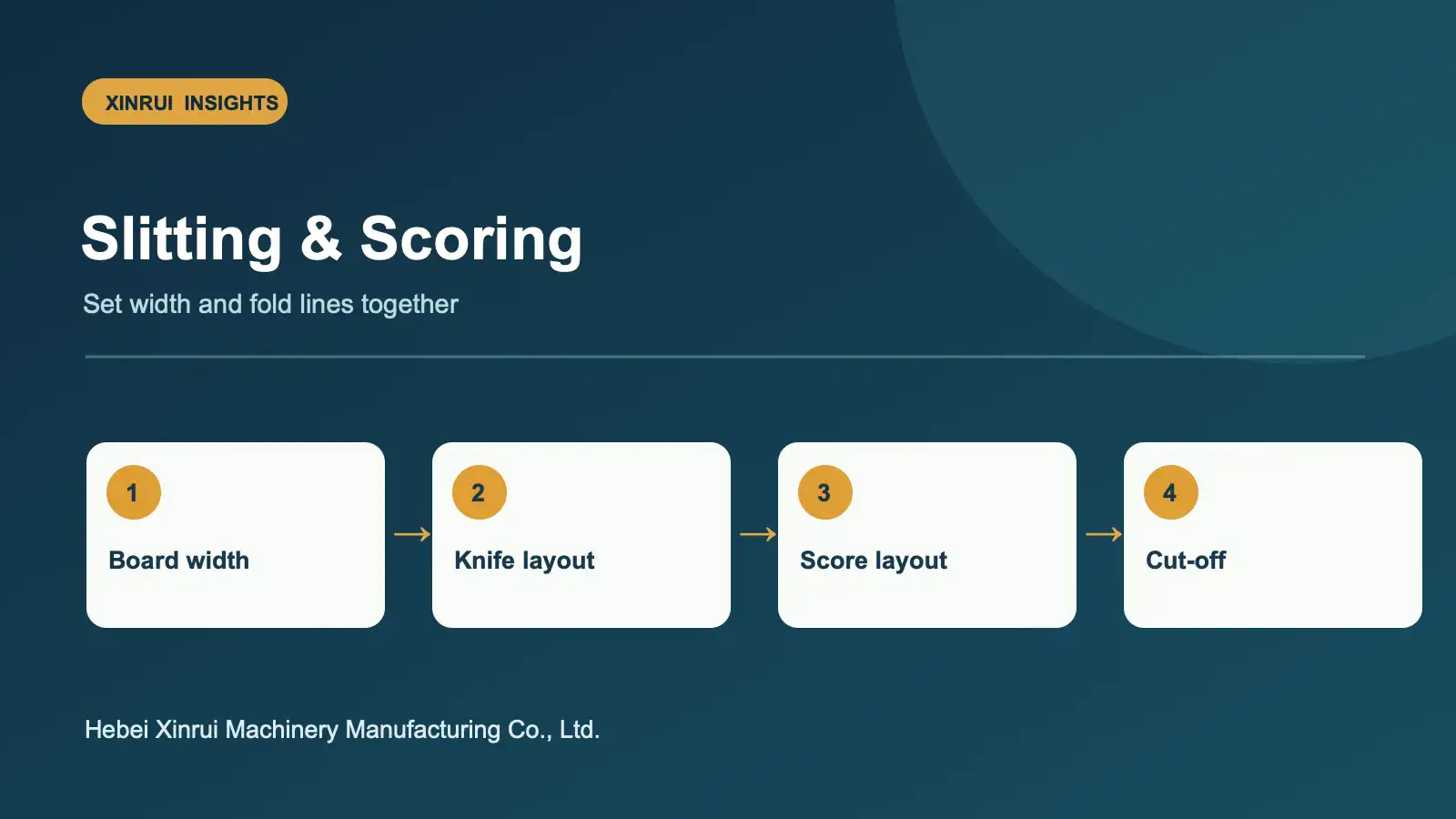
The board sheets are fed through printing and slotting or die cutting according to the box design. The XR-FDC-1600 is an example of a flexo printing and die-cutting stage. Blank width and crease positions must remain aligned with the carton drawing; the XR-SS-2200 illustrates a slitting and scoring stage.
Finish the box
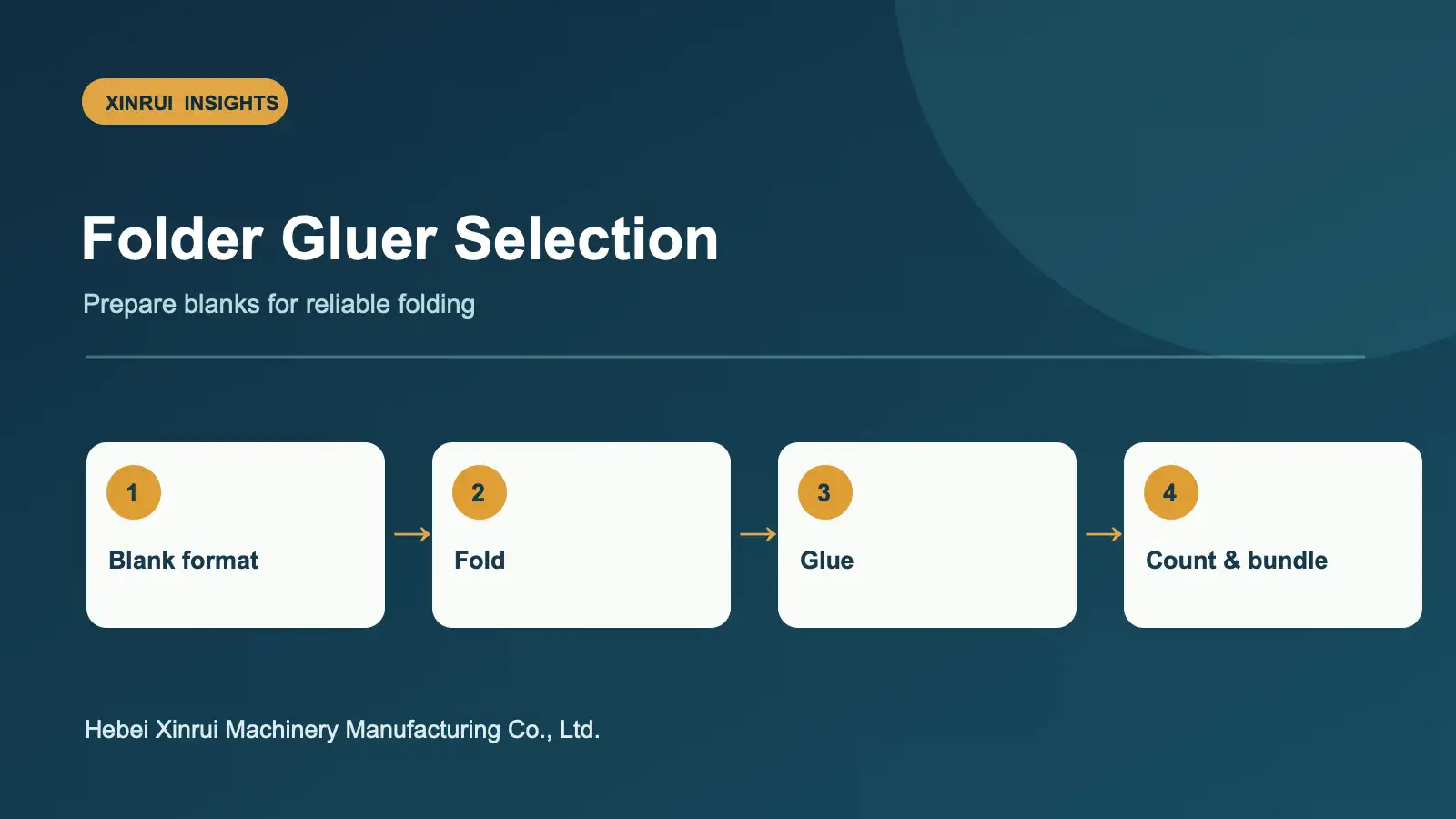
Folding and gluing join the blank into its final form. A folder gluer should be specified from actual blank sizes and board types. Counting, bundling and pallet handling may be separate choices within the plant layout.
Put checks at each handoff
At the board stage, inspect bonding, warp and dimensions. At converting, check print alignment, cut position and score placement. At finishing, check squareness and joint adhesion. Recording defects by stage helps identify the process that needs adjustment.
Planning a line? Share a sample box, board recipe and target order mix with [email protected]. We can discuss the equipment scope around that process map.
Category: Machinery Buying Guides
Topics: Box Production · Corrugated Line · Quality Control